Alcohol and Sleep: Why It Helps You Fall Asleep and Then Betrays You Later
Physician Article
Dr. Brian Harris
Why this matters
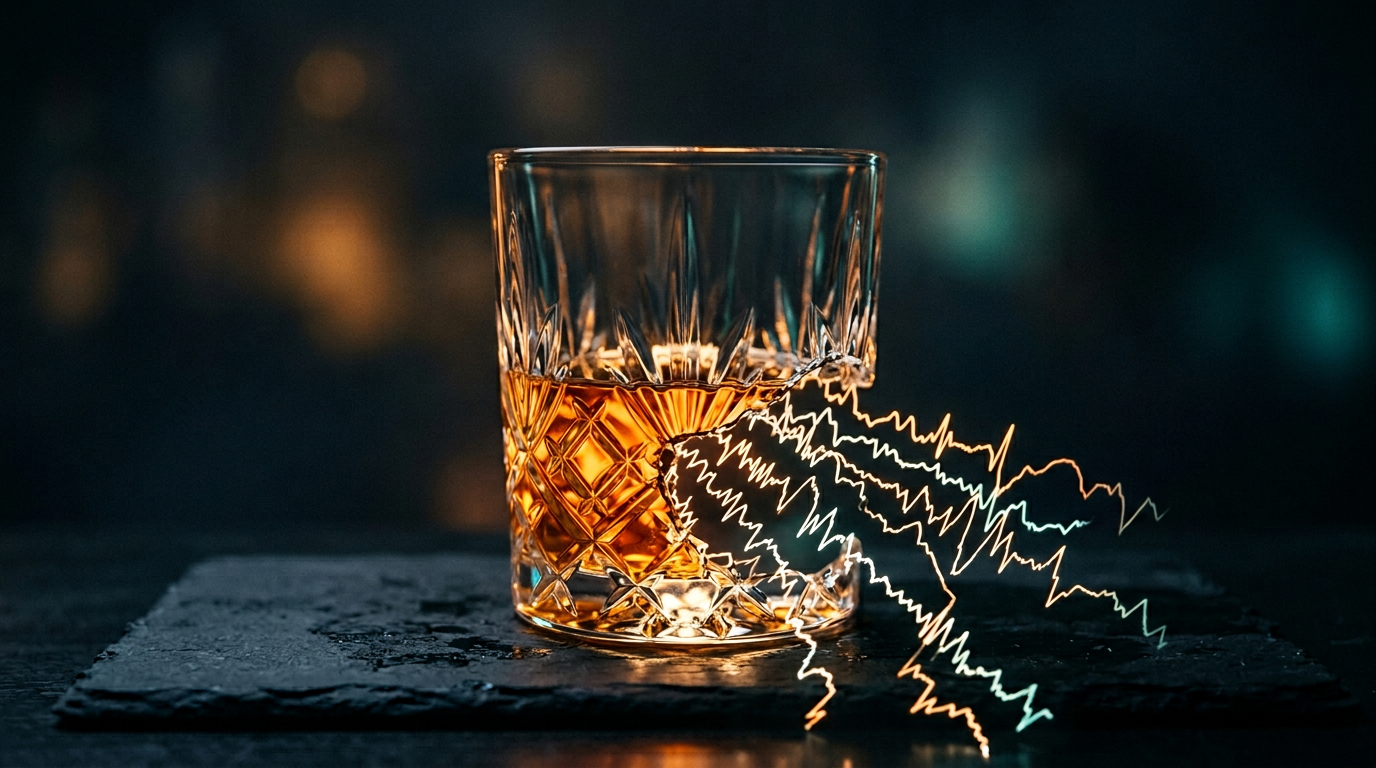
Alcohol often helps people fall asleep faster. That is exactly why it fools so many into thinking it is helping their sleep. The truth is that sedation is not the same thing as restorative sleep. Alcohol can make the front end of the night look better while making the overall night significantly worse.
In plain language
Alcohol is a sedative, so it *does* make you fall asleep faster. But as your body processes the alcohol, the night becomes a mess:
- Fragmented Sleep: You wake up more often in the second half of the night.
- REM Suppression: It blocks the deep, dreaming sleep you need for memory and mood.
- Breathing Issues: Alcohol relaxes your throat muscles, making snoring and sleep apnea much worse.
- Dehydration: It leads to more bathroom trips and early-morning headaches.
If you find yourself waking up exhausted despite "falling asleep fine" after a drink, the alcohol is likely the culprit.
Clinical deep dive
Alcohol (ethanol) is one of the most widely used "self-medications" for insomnia, but its impact on sleep architecture is profoundly negative.