

Insomnia
Why can’t I fall asleep even when I am exhausted?
A patient-friendly introduction to the difference between feeling tired and being able to sleep on command.
The knowledge base should do two jobs at once: help patients understand what might be happening, and prove to clinicians that the diagnostic thinking goes well past brochure-level copy. The structure here uses simple front-door explanations plus deeper technical pieces when readers want them.
These are the first-stop pages for people coming from search, social, or ad traffic who need clarity before they are ready to contact the clinic.
A patient-friendly introduction to the difference between feeling tired and being able to sleep on command.
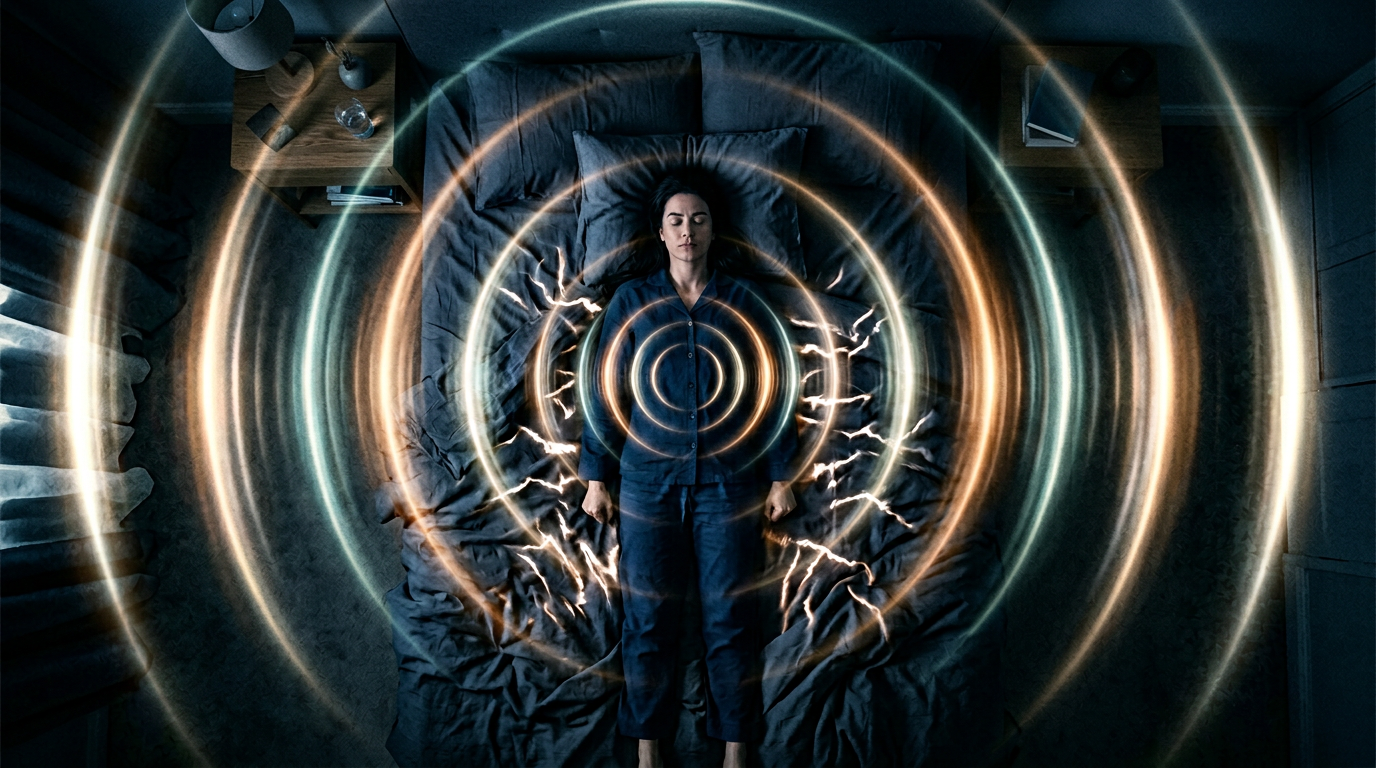
A focused explainer for middle-of-the-night awakenings, hyperarousal, and the patterns that keep early waking alive.
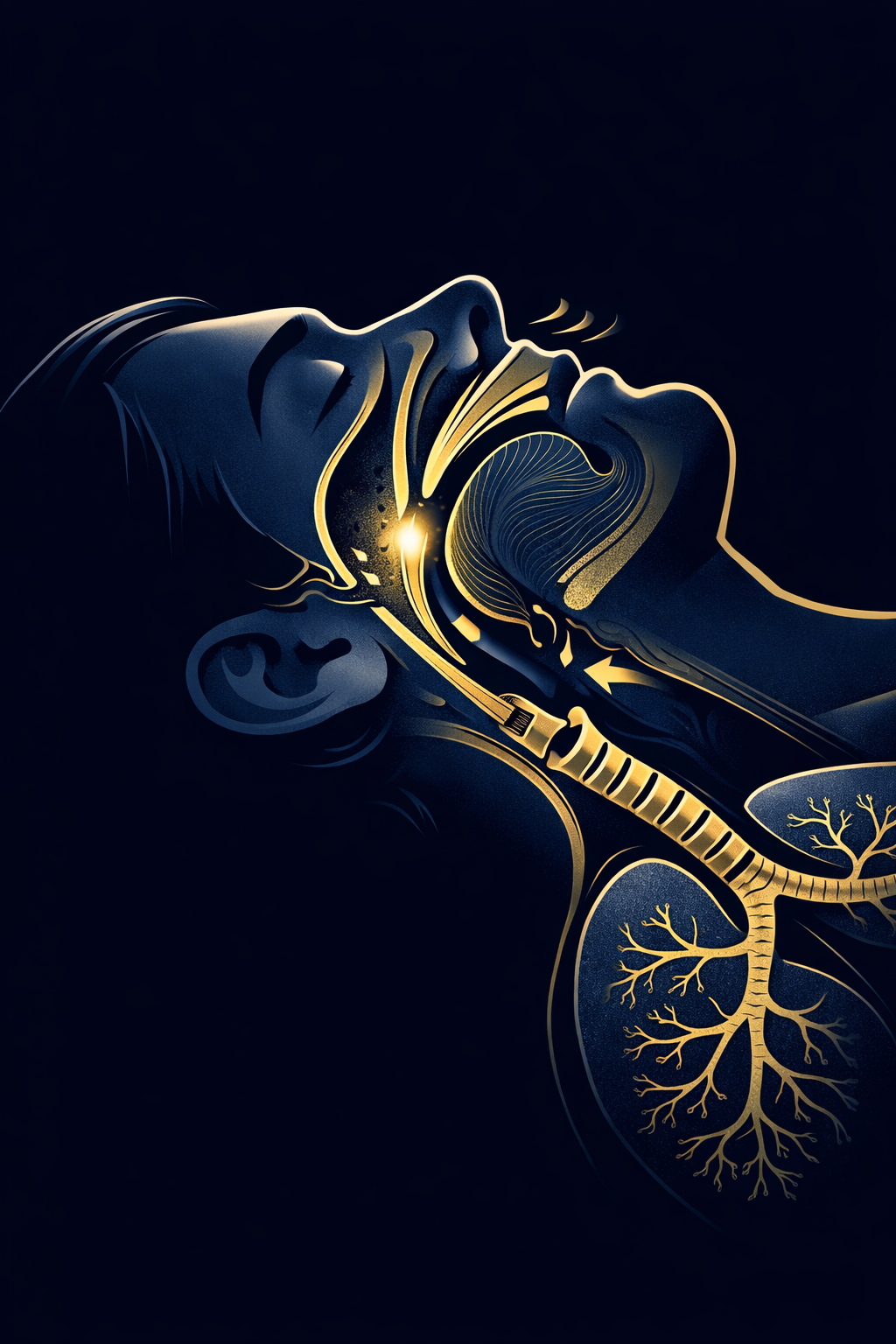
A quick guide for people who know something is wrong but do not fit the simplest snoring script.

An introduction to sleep inertia and why mornings can feel severe even after what seems like enough sleep.
The full article library is grouped by the same condition logic that drives the site architecture, which keeps patient education, SEO, and clinician credibility aligned.
First-line chronic insomnia treatment, conditioned wakefulness, sleep scheduling, stimulus control, beliefs about sleep, and durable behavior change.
Why people are tired, how sleepiness is evaluated, drowsy driving, idiopathic hypersomnia, and narcolepsy-related questions.
OSA, CPAP expectations, mask issues, screening limitations, when to study, and why “normal” testing does not always end the conversation.

Sleep drive, light timing, delayed phase, advanced phase, irregular rhythm, non-24 patterns, and shift-work disorder.

REM behavior disorder, bedroom safety, hypnic jerks, RLS, dopamine agonist issues, and iron-related movement problems.
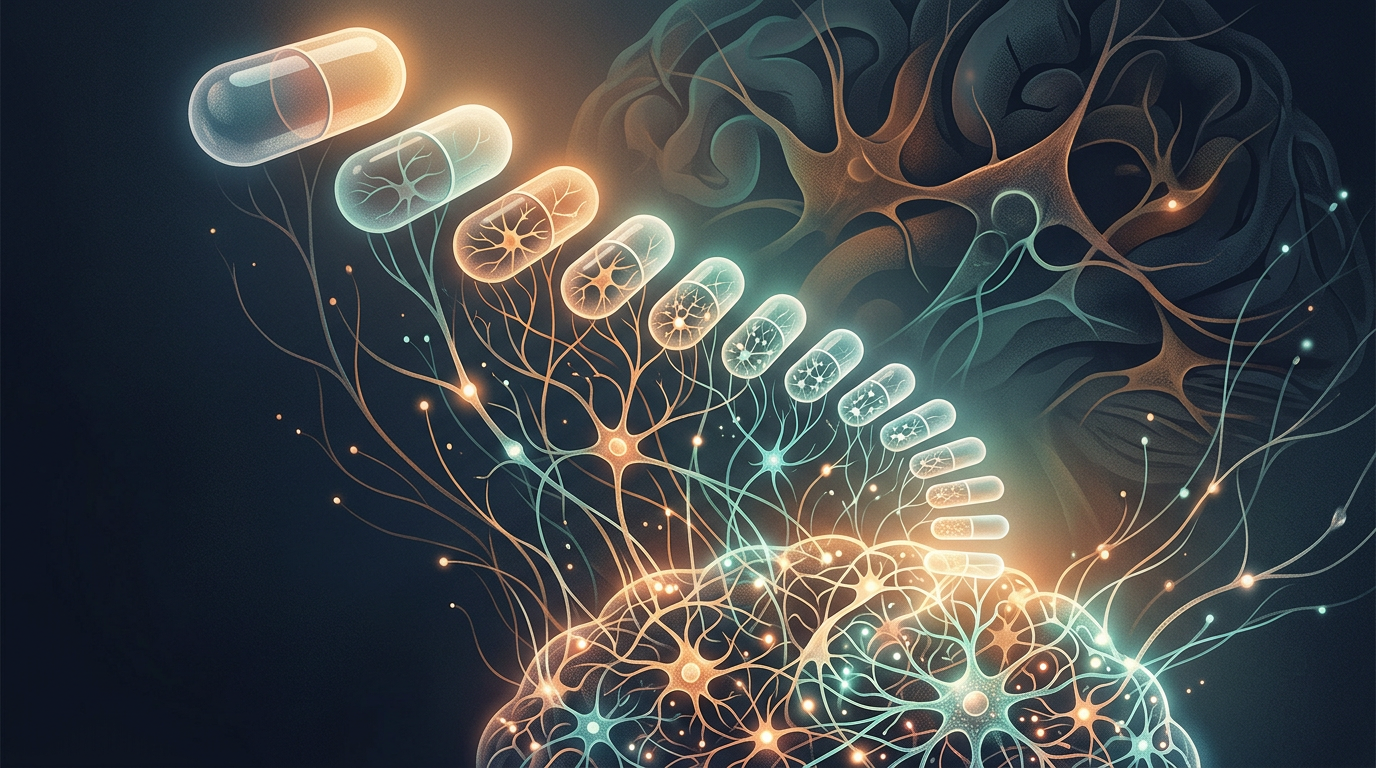
Alcohol, cannabis, nicotine, stimulants, sleep medications, antipsychotics, benzodiazepines, Z-drugs, and recovery-related sleep instability.
Use the articles to identify your likely sleep pattern, then move into a clinical service pathway that matches your case. This keeps education and treatment tightly connected.
The same content architecture supports patient readiness, shared decision-making, and clearer referral handoffs.