CPAP: What to Expect and Why People Struggle With It
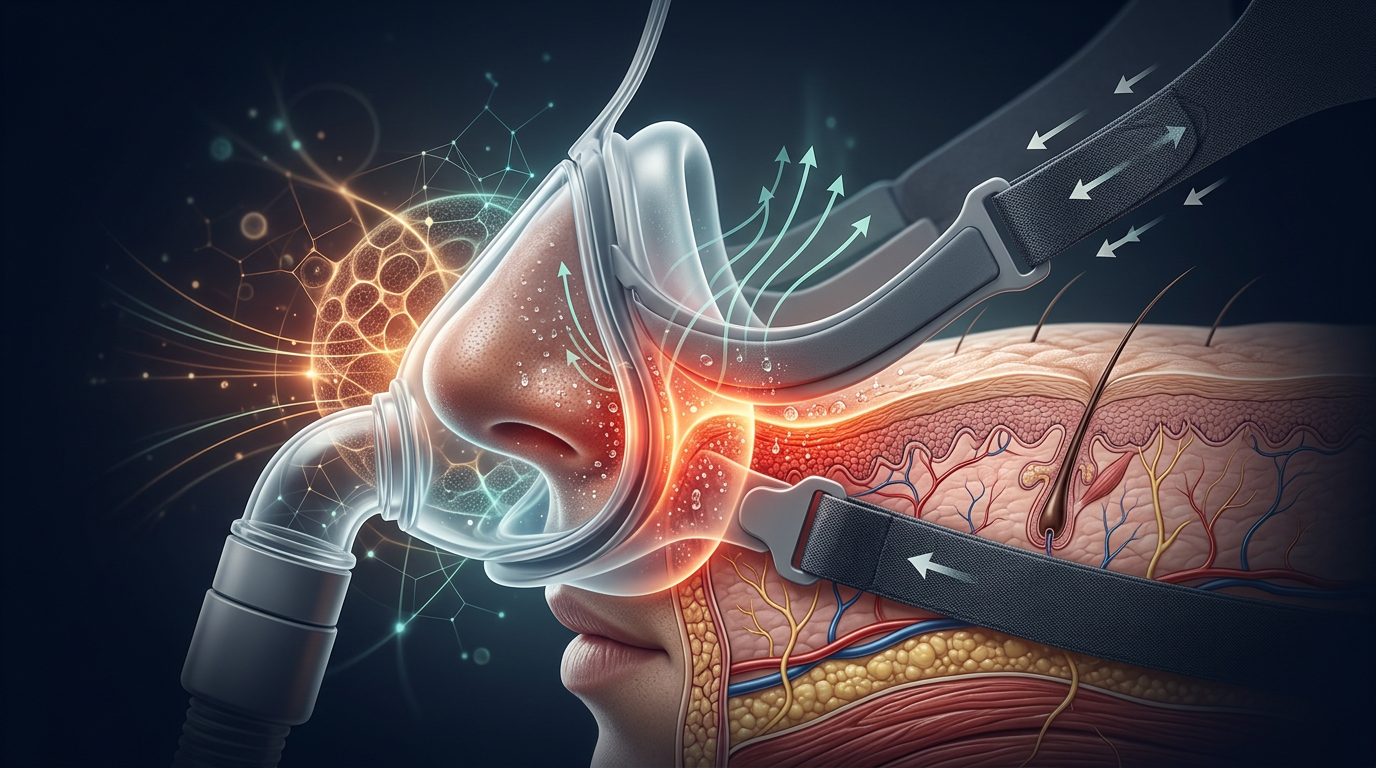
CPAP has a strange reputation. Physiologically, it is one of the most effective treatments we use in medicine. Socially, it is treated like a medieval punishment device. CPAP works beautifully—when it is worn. The goal of treatment isn't to "force compliance," but to troubleshoot the very real human friction that happens in the dark at 2 a.m.
CPAP (Continuous Positive Airway Pressure) works by using gentle air pressure to keep your throat from closing while you sleep. It’s highly effective, but it takes time to get used to.
Early on, it’s normal to feel claustrophobic, have a dry mouth, or find the mask uncomfortable. Most people don't "fail" CPAP because of a personality flaw; they struggle because of a technical issue that can be fixed. Common fixes include:
- Changing the Mask: Nasal pillows vs. full-face masks.
- Humidity Settings: Adjusting the air moisture to prevent dryness.
- Pressure Ramp: Starting at a lower pressure while you're falling asleep.
Don't give up in the first week. Think of it like a new pair of boots—your body needs to "break it in."
Positive Airway Pressure (PAP) therapy remains the gold standard for Moderate to Severe OSA. However, long-term adherence is the primary clinical challenge.
The Mechanism of Success
PAP provides a "pneumatic splint," increasing the intraluminal pressure of the upper airway above the critical closing pressure (Pcrit). This eliminates obstructive events, stabilizes breathing, and restores normal sleep architecture (decreasing Stage N1, increasing SWS and REM).Common Barriers to Adherence
- Interface Mismatch: Poor seal or excessive strap tension leading to pressure sores or skin irritation.
- Nasal Resistance: Patients with high nasal resistance (allergies, septal deviation) often "fail" CPAP because they cannot breathe comfortably through the nose under pressure.
- Mouth Leak: Air escaping through the mouth reduces the effective pressure and causes severe mucosal dryness.
- Aerophagia: Swallowing air, leading to bloating and discomfort.