Sleep Starts, Hypnic Jerks, and That Sudden Falling Sensation
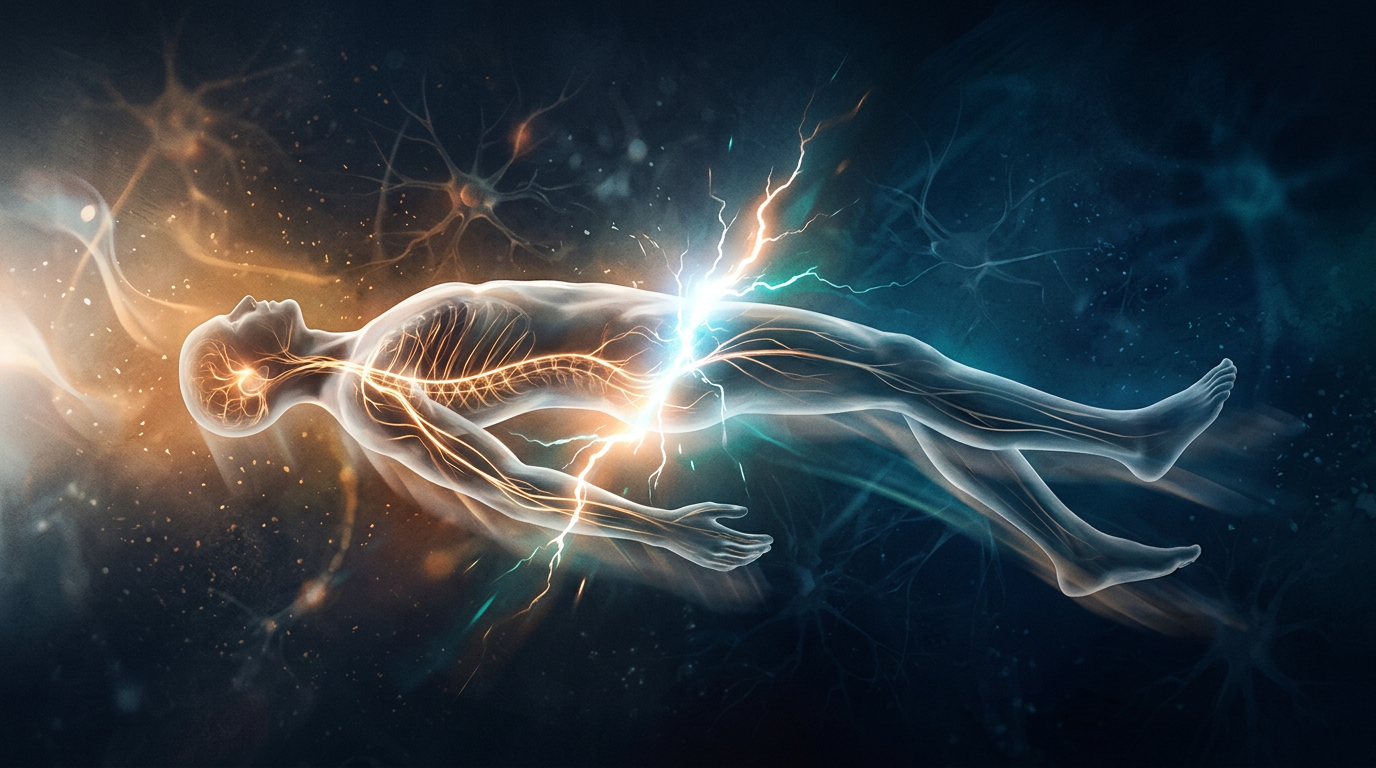
That sudden jolt right as you are falling asleep feels dramatic mainly because the timing is rude. Hypnic jerks (sleep starts) are brief, involuntary muscle contractions that happen as you transition from wakefulness to sleep. While they can feel like a "heart-stopping" jolt or a sudden fall, they are almost always harmless biological glitches.
Almost everyone has experienced it: you're just about to drift off when your body suddenly jerks awake, often accompanied by a sensation of falling or a quick mental "flash."
These are called Hypnic Jerks. They tend to get louder and more frequent when you are:
- Over-tired or sleep-deprived.
- Stressed or anxious.
- Consuming too much caffeine or nicotine late in the day.
Think of it like your brain's "alert system" misfiring as it tries to power down for the night. They aren't seizures, and they don't mean anything is wrong with your heart or nerves. Usually, the best way to quiet them down is to get on a more consistent sleep schedule and lower your stress level.
Hypnic jerks (sleep starts) are classified as Sleep-Related Movement Disorders and occur during the transition between wakefulness and Stage N1 sleep.