IV Iron for Restless Legs Syndrome: When Oral Iron Is Not Enough
Physician Article Dr. Brian Harris
IV Iron for Restless Legs Syndrome: When Oral Iron Is Not Enough
Why this matters

In RLS, iron status matters more than many people realize, and you don’t have to be "anemic" for iron to be the problem. One of the most biologically sensible treatments for RLS is ensuring your brain has enough iron to process dopamine. When pills aren't enough, IV iron can be a life-changing intervention.

In plain language

Your brain needs iron to make and use dopamine, which controls movement. If your iron stores are low, your RLS symptoms will flare up.

Most people start by taking iron pills, but there are several reasons why they might not work:

  • Absorption: Your stomach might not absorb enough of the pill.
  • Side Effects: Iron pills can cause serious constipation or stomach pain.
  • Speed: Pills take months to raise your levels.

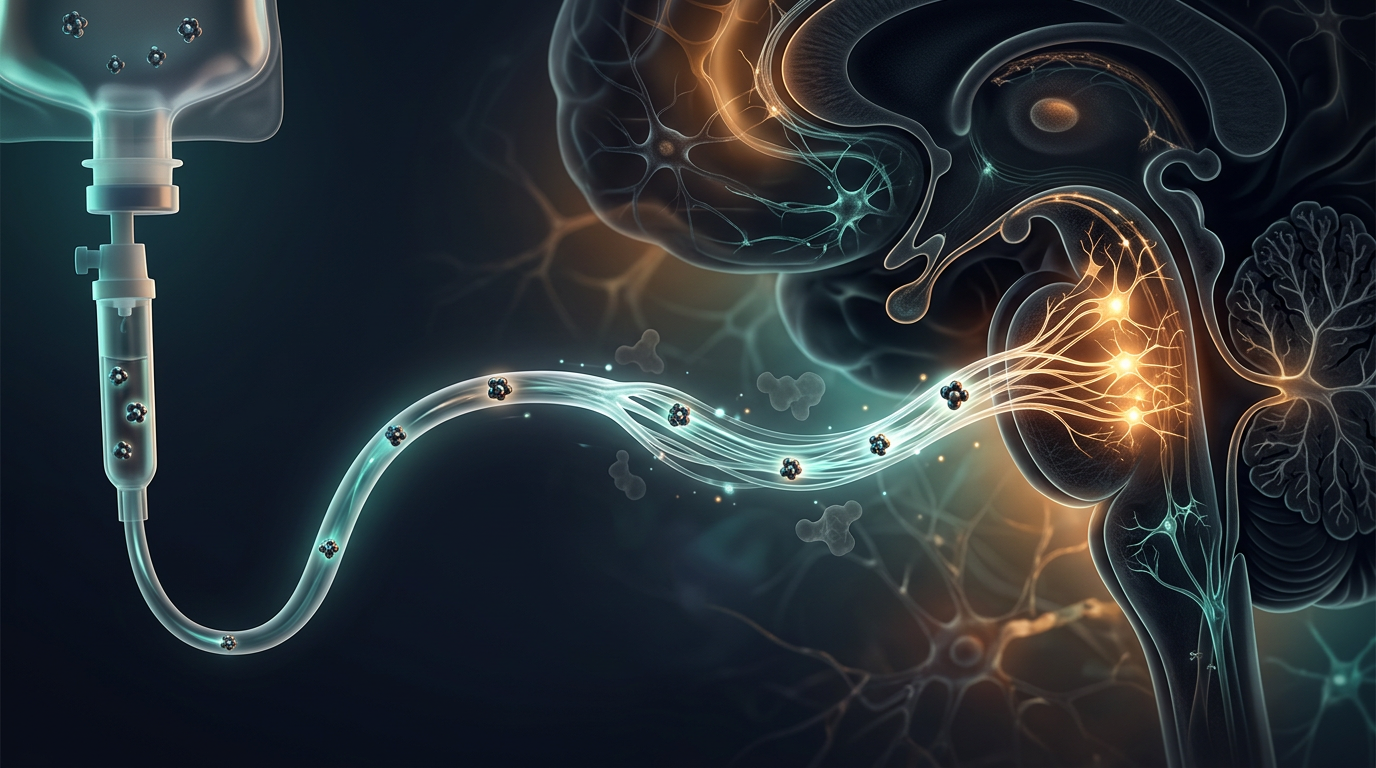
IV Iron is a simple infusion that bypasses the stomach and delivers iron directly to your system. It is often much more effective for people with moderate-to-severe RLS, even if their "regular" blood tests look normal.

Clinical deep dive

Brain iron deficiency is a central feature of RLS pathophysiology, even in the absence of systemic iron deficiency anemia.

Iron and Dopaminergic Function

Iron is a required cofactor for Tyrosine Hydroxylase, the rate-limiting enzyme in dopamine synthesis. Reduced iron availability in the substantia nigra leads to dopaminergic dysfunction and the hyper-excitability characteristic of RLS.

Indications for IV Iron

Clinical guidelines (e.g., IRLSSG) suggest IV iron should be considered when: 1. Serum Ferritin is <75–100 ng/mL and symptoms are inadequately controlled. 2. Oral Iron Failure: Inability to tolerate oral iron due to GI side effects or failure to increase ferritin levels despite several months of treatment. 3. Specific Formulations: Ferric carboxymaltose (Injectafer) or Ferumoxytol are commonly used for their ability to deliver a high dose (750–1000mg) in 1–2 infusions.

Clinical Considerations

Response to IV iron is typically not immediate; patients often report significant improvement 4–6 weeks post-infusion as the brain's iron stores slowly replete. Transferrin saturation (TSAT) should also be monitored, as a low TSAT (<20%) suggests low iron availability regardless of the ferritin level.