Shift Work Disorder: When the Job and the Clock Stop Cooperating
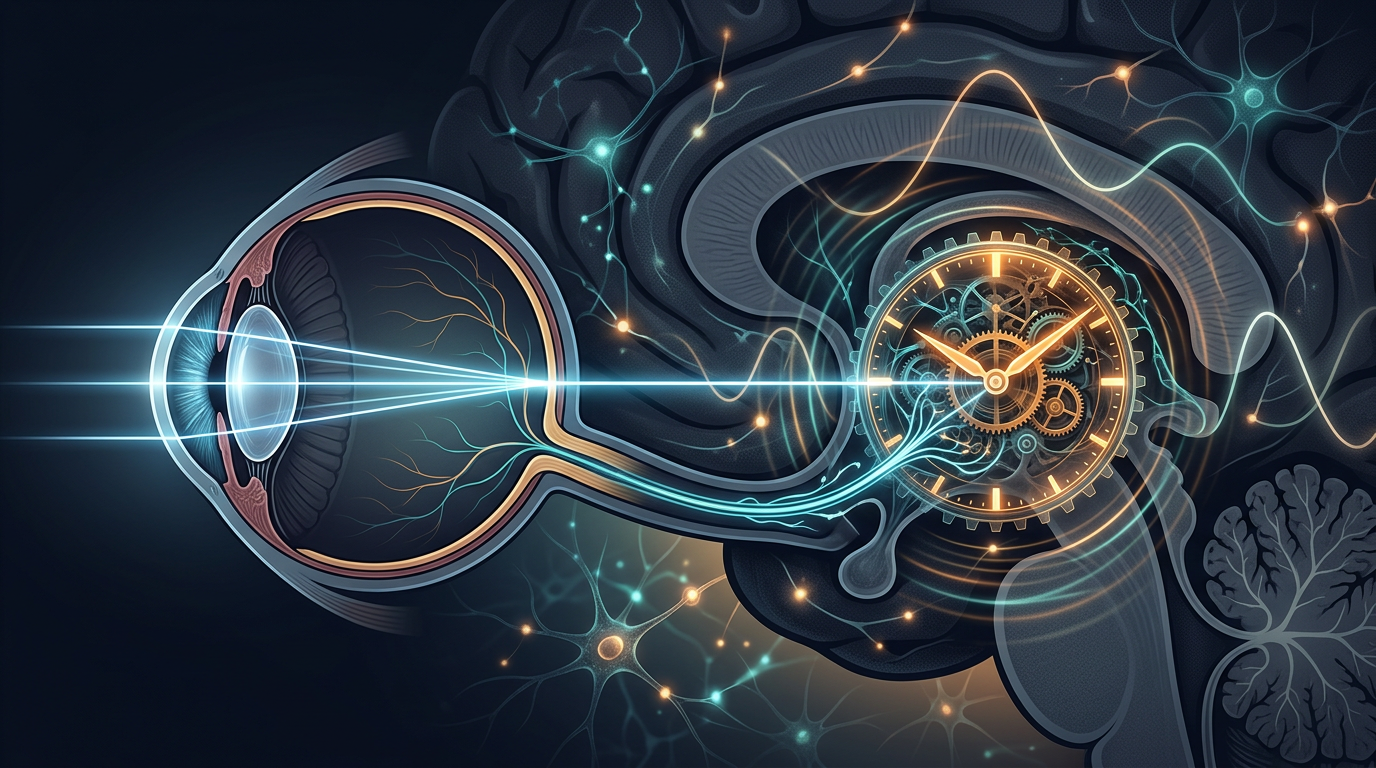
Shift work disorder is what happens when the body’s timing system is asked to behave like a machine and declines the invitation. Some people tolerate night shifts poorly because they are "weak"; others tolerate them poorly because they are human. When your job forces you to work while your brain is screaming for sleep, you aren't just tired—you are biologically misaligned.
Your body is biologically programmed to be awake when the sun is up and asleep when it’s dark. Shift Work Disorder occurs when your work schedule (like night shifts or early morning starts) constantly fights this internal programming.
The result is a miserable combination: you can't stay awake at work, and you can't fall asleep during the day when you're finally in bed. This leads to brain fog, irritability, and serious safety risks like drowsy driving. Managing it requires more than just coffee. It involves "strategic" light exposure: using Bright Light during your shift to keep your brain alert, and wearing Sunglasses on the drive home to prevent the morning sun from resetting your clock before you hit the pillow.
Shift Work Disorder (SWD) is a circadian rhythm disorder caused by a work schedule that overlaps with the habitual sleep period, leading to insomnia and/or excessive daytime sleepiness.
Physiological Friction
The internal circadian clock (tau) is slightly longer than 24 hours, making it easier to "delay" (stay up later) than to "advance" (wake up earlier). However, night shifts require a full 180-degree inversion that the human system is not designed to sustain. Chronic SWD is associated with increased risks of metabolic syndrome, cardiovascular disease, and workplace accidents.Clinical Signs
- Microsleeps: Brief, unintended lapses into sleep during shifts.
- Sleep Fragmentation: Daytime sleep in SWD is typically shorter and more fragmented (higher Stage N1, lower REM) due to competing circadian alerting signals (Process C).
- Safety Impairment: Significant cognitive slowing and reduced reaction times, particularly during the "circadian trough" (3:00 a.m. to 5:00 a.m.).