Stimulants and Sleep: Useful Medications, Predictable Tradeoffs
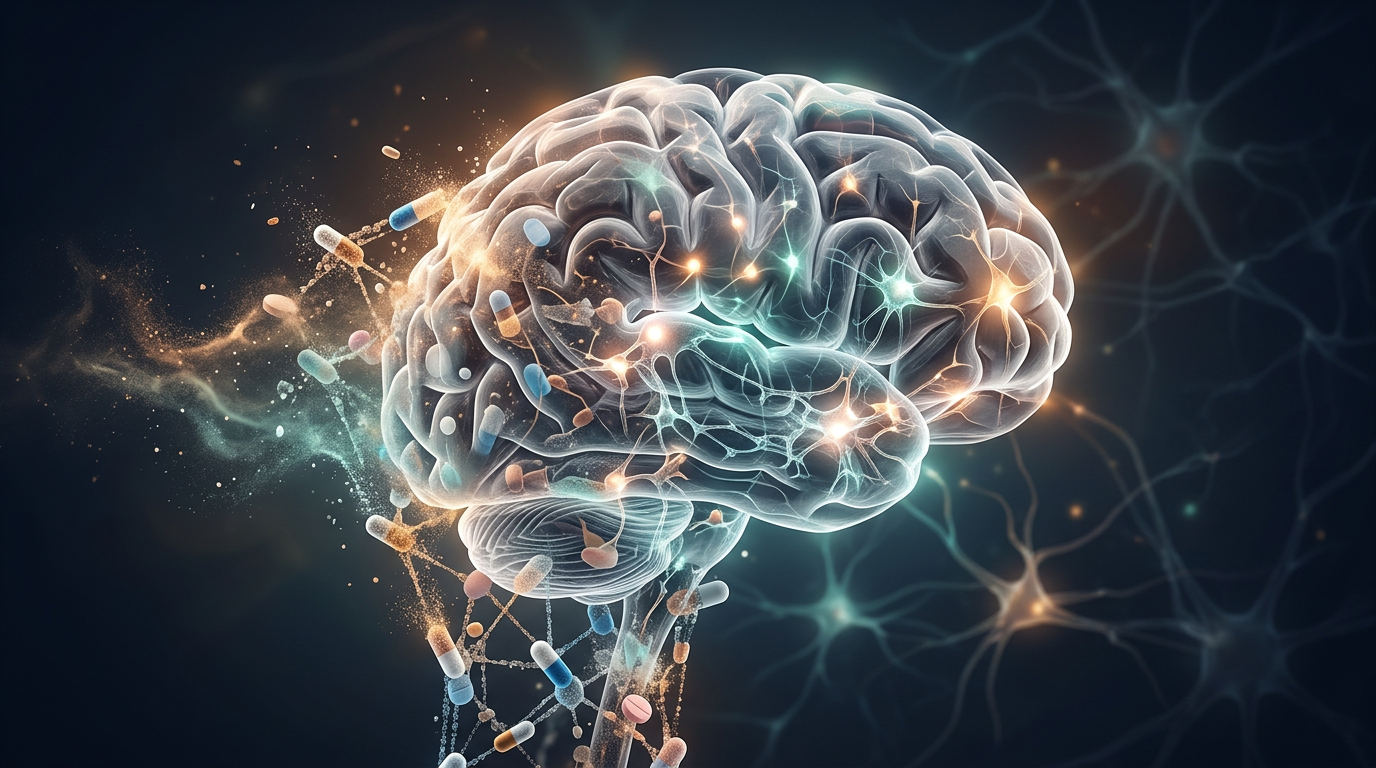
A stimulant is not the same thing as a solution. Sometimes it is treatment for a neurological condition; sometimes it is just a cover band playing over an unresolved problem. Stimulants can improve alertness, but they can also quietly make your nights worse if the timing, dose, or diagnosis is wrong.
Stimulants (like those for ADHD or Narcolepsy) are designed to "push" the wake side of your brain. They are incredibly useful for the right conditions, but they have predictable side effects:
- Poor Sleep Onset: If you take them too late in the day, your brain stays "on" when it should be winding down.
- Masking the Problem: If you're sleepy because you have untreated sleep apnea or you're just not sleeping enough, stimulants can hide that exhaustion while the underlying damage continues.
- The Crash: When stimulants wear off, you might feel a sudden, intense "crash" of sleepiness that is hard to manage.
The goal is to use stimulants as a tool, not as a way to ignore what your body actually needs.
Stimulants and wake-promoting agents (e.g., Methylphenidate, Amphetamines, Modafinil) are essential in the management of central disorders of hypersomnolence and ADHD. However, their use requires careful integration with the patient's sleep-wake cycle.
Mechanism and Sleep Interference
Stimulants primarily increase synaptic levels of dopamine and norepinephrine. While this enhances arousal, it can interfere with Process S (homeostatic sleep drive) by artificially maintaining alertness during the physiological wind-down period. This often leads to a "vicious cycle" where the patient uses stimulants to combat daytime sleepiness caused by the previous night's stimulant-induced insomnia.Stimulant Rebound and Withdrawal
- Rebound Hypersomnolence: As the medication's effect wanes, patients may experience an acute surge in sleepiness, which can be dangerous (e.g., drowsy driving in the late afternoon).
- Withdrawal Effects: Chronic use can lead to a withdrawal syndrome characterized by profound fatigue, depressed mood, and excessive but non-restorative sleep.